
Shameless plug: Move Over Marvel: Dark Brandon Has Entered the Multiverse! After reading this post please visit TrumpsFeverDream.com where we are posting my coming audio-book.
This week after a fatal crash of a military Blackhawk and a passenger jet newly #47 Donald Trump blamed, with zero evidence, D.E.I. hiring practices as the cause of the deaths over the Potomac. Statements he echoed in his outlandish claims that D.E.I. hires responsible for the many lives and homes lost in the LA fires.
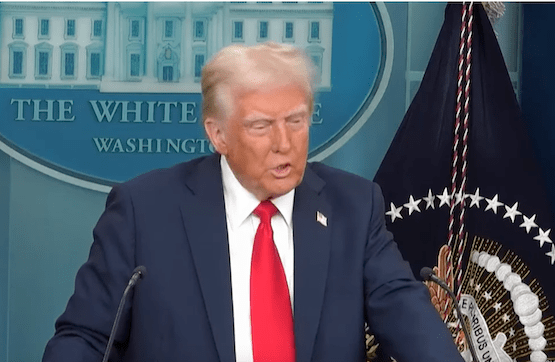
Trump racism is deep and troubling. Acting president Musk, famed now not for his wealth but his arrogance in making an unmistakable Nazi salute and his mouthpiece Trump are seeking to replace America highly competent D.E.I government workforce with white loyalists. And it’s already costing lives.
The concept of Diversity, Equity, and Inclusion (DEI) in hiring is often painted by its critics as a threat to workplace competence, suggesting that companies prioritize diversity over qualifications. This narrative is not only false—it’s dangerous. It stems from a defense mechanism within white privilege, which assumes entitlement to positions of power as a birthright. But let’s bust this myth and explore why DEI, far from promoting incompetence, actually makes organizations more effective and resilient.
1. The Myth of “Merit” and White Privilege
White privilege often hides behind the myth of meritocracy—the belief that success is based purely on individual talent, effort, and achievement. The problem with this myth is that it ignores the fact that many opportunities have been historically reserved for white men, often passed down through familial and social networks. When someone is handed a position without truly earning it, it breeds complacency, laziness, and the assumption that they don’t have to work as hard as others.
Take RFK Jr.’s recent blunder as an example. His privileged upbringing and the connections that elevated him to positions of influence meant he didn’t feel the need to vet or thoroughly analyze his recommendations. This lack of diligence cost him credibility. White privilege, when unexamined, can lead to a toxic complacency where individuals assume success is their right, not something they have to work to maintain.
2. DEI Demands More From Candidates
DEI hiring practices don’t lower the bar—they raise it. Why? Because under DEI frameworks, hiring managers must look beyond surface-level qualifications and privilege-based recommendations. They evaluate candidates holistically, focusing on proven skills, adaptability, and experiences that many entitled hires lack.
Historically marginalized candidates often have to work twice as hard to reach the same level of success as their privileged counterparts. This “double effort” means that many DEI hires bring a unique level of determination, innovation, and resilience to the table. In contrast, someone who has coasted on privilege may lack these qualities because they’ve never been tested or challenged.
Consider this: An immigrant who worked their way through college while holding down two jobs brings real-world problem-solving skills to any workplace. A Black woman who’s navigated systemic racism to rise through corporate ranks likely possesses leadership and negotiation skills that can’t be taught in an MBA program. These aren’t tokens of diversity—they’re marks of excellence.
3. Diverse Teams = Better Decision-Making and Innovation
Research consistently shows that diverse teams outperform homogeneous ones in innovation, creativity, and overall performance. A 2018 Boston Consulting Group study found that companies with diverse leadership teams generate 19% higher revenue from innovation compared to those without diversity. Why? Because different perspectives lead to better solutions.
When a team consists only of people with similar backgrounds and experiences, they’re prone to groupthink—a phenomenon where everyone agrees too quickly and critical analysis is overlooked. RFK Jr.’s mistake in promoting poorly vetted ideas could be attributed to surrounding himself with like-minded individuals who didn’t challenge him. In contrast, diverse teams encourage debate, creative tension, and the consideration of multiple viewpoints, which leads to better outcomes.
4. DEI Prevents the Entitlement Trap
Entitled white hires often get trapped in the false belief that they don’t need to grow or improve. After all, if they’ve been handed success so far, why would they suddenly need to work harder? But DEI hires are often battle-tested. They’ve overcome obstacles, adapted to changing environments, and developed emotional intelligence—skills that are critical in today’s rapidly evolving work landscape.
The entitlement trap is particularly dangerous in leadership roles. Leaders who haven’t had to earn their positions through competence and hard work often make decisions based on arrogance or outdated assumptions. This is how companies fail. But leaders from DEI backgrounds tend to be more empathetic, better listeners, and more adept at navigating complex situations.
5. The “DEI Means Lower Standards” Lie Is a Smokescreen
Let’s be honest: The idea that DEI hires are less competent is a lie perpetuated by those who fear losing their unearned advantage. It’s a defense mechanism—a way for those who’ve coasted on privilege to justify their own mediocrity. When companies prioritize DEI, they’re not lowering standards—they’re recognizing that the old “standards” were often exclusionary and designed to favor a narrow group of people.
This is why DEI is so threatening to the privileged. It exposes the fact that many “merit-based” hires weren’t based on merit at all—they were based on privilege, nepotism, and bias. DEI challenges this by forcing companies to take a hard look at what competence really means.
6. Competence Is About Adaptability, Not Entitlement
In today’s world, competence isn’t just about technical skills or a degree from a prestigious university. It’s about adaptability, emotional intelligence, cultural awareness, and the ability to work in diverse teams. DEI hires excel in these areas because they’ve had to navigate obstacles that entitled hires haven’t.
White privilege, on the other hand, can create a false sense of security. When you’re used to being handed things, you’re less likely to develop the grit and adaptability needed to succeed in a competitive environment. This is why companies that rely too heavily on privilege-based hiring often stagnate, while those that embrace DEI thrive.
Conclusion: DEI Is Not About Charity—It’s About Excellence
DEI hiring isn’t about giving people a handout; it’s about recognizing excellence in all its forms. It’s about acknowledging that competence isn’t confined to one race, gender, or socioeconomic background. The idea that DEI hires are incompetent is a lie rooted in fear—fear that the world is changing and that privilege is no longer enough.
And you know what? That fear is justified. The world is changing, and those who rely on entitlement instead of effort will be left behind. DEI isn’t just the right thing to do—it’s the smart thing to do. The future belongs to those who earn it, not those who are handed it.
One last thing. Writing this story helped me realize Trump propensity to lie arise directly from his need to cover for the fact he is white privileged nepo baby. And his ego can’t handle the truth he is an aged incompetent racist misogynist.
Shameless plug: Move Over Marvel: Dark Brandon Has Entered the Multiverse! Visit TrumpsFeverDream.com where we are posting my coming audio book.
 Media, Meditations & Musings