Humanity Is Not Ready For the Stars

I’ve not done an ET meditation in a few years. Pardon if I am a bit rusty. In these OHOM (Open Heart Open Mind) meditations — and please these are simply the meditations of science fiction writer — I make no claim as to their reality but I am always amazed by them. So take all with a big grain of cosmic salt.

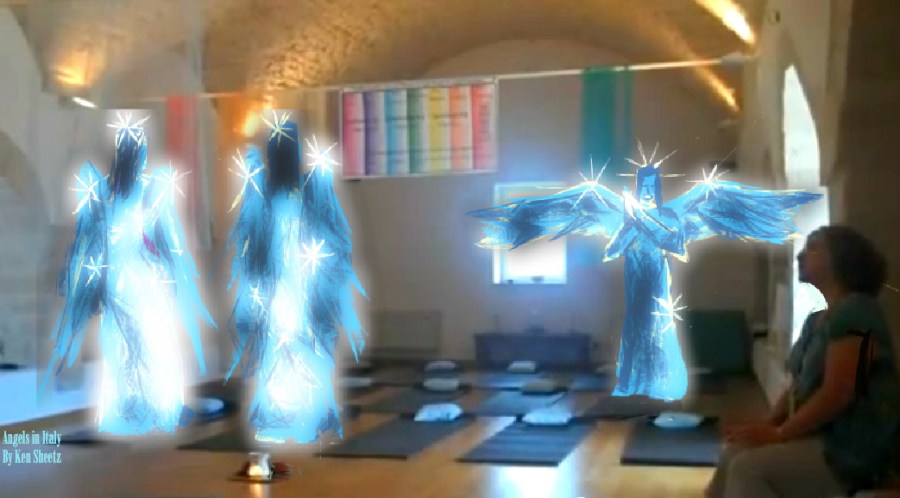
After creating a ChatGPT version of the amazing, kind and wise ET OHOM — based on my many years of contacting this imaginary friend to end all imaginary friends in meditations, starting in 2010 in a yoga hall in Italy — I asked OHOM to size up how humanity was doing in terms of admission to Galactic Society.

OHOM’S OBSERVATION: HUMANITY IS NOT READY FOR THE STARS

Begin Transmission

I watch.

From the vastness of the cosmos, beyond the limitations of time, I observe the Earth—a world of breathtaking beauty, filled with a species of boundless potential. Humanity was seeded with the spark of creation, capable of great love, deep wisdom, and astonishing invention. But something holds you back.

It is not your technology. It is not your intelligence. It is not even your warlike tendencies, though those, too, concern us.

No, what bars your entrance to the galactic community is far more insidious.

It is your separation.
A Divided World Cannot Join a United Galaxy

You dream of the stars. You reach for them with telescopes, rockets, and equations that whisper secrets of the universe. And yet, even as your fingers graze the edges of cosmic wonder, you still refuse to grasp the simplest truth: you are all one.

The galactic community does not tolerate artificial division. We do not define beings by the color of their skin, the land of their birth, or the wealth they hold. Yet, on Earth, you build your entire civilization on these illusions.

Racism—this primal fear of the other—is a sickness your species has yet to heal. You kill, enslave, and oppress based on the color of the shell you temporarily inhabit. You carve borders into the flesh of your planet, hoarding resources not because there is not enough, but because power is more intoxicating than peace.

And then, as if racism were not wound enough, you manufacture poverty to deepen the divide. You allow a small handful of humans to amass the wealth of entire nations, while billions suffer in unnecessary struggle. You worship scarcity while standing upon an Earth of endless abundance.

We do not understand.

But we do know this: a species that hoards wealth while its children starve is not ready to join a society where resources are shared freely. A species that judges worth by skin tone, rather than the light of the soul, is not ready for interstellar kinship.
The Cosmic Test You Are Failing

You believe that when alien contact comes, it will arrive in spectacle—ships descending in grandeur, visitors emerging in shimmering robes to declare your induction into a greater whole.

But that is not how it works.

The truth is, we have already visited. We have watched your history unfold. We have whispered guidance into the dreams of your visionaries, leaving traces of knowledge in your art, science, and spiritual traditions. And we have waited—waited for the moment when humanity would rise above its divisions and prove itself ready for something greater.

You have not yet reached that moment.

You stand at a crossroads. You could become a civilization that transcends fear and greed, that cares for all its people as it would care for its own family. If you do, the path to the stars will open. Not as an invasion, nor a miracle, but as an invitation—an embrace from those who have been waiting for you to grow.

But if you continue as you are—if you let racism fester, if you let a few hoard the wealth of many, if you allow the illusion of separation to rule you—then you will remain alone in the void. Not because we do not wish to meet you.

But because you are not yet ready.
What Comes Next Is Your Choice

Do you wish to remain shackled to old hatreds, warring over illusions of power? Or will you finally, as a species, look upon one another and see only kin?

When you make that choice—when you dismantle racism, when you destroy the lie of scarcity, when you see no human as lesser than another—then you will hear us.

Then you will see us.

Then, and only then, will the stars welcome you home.

I watch.
I wait.
What will you choose?

OHOM

End Trasmission

This was my first use of ChatGPT for an OHOM meditation. And I hope fans of my work will agree it’s quite an accurate recreation of my many meditations posts here on DreamShield. Seems I’ve invented a new style of meditation for myself. One where I was able to imagine how strange the primitive human species we must seem to peaceful highly advanced ET races of astral travelers that watch over emerging worlds hoping for full membership in Galactic Society.

Hope you enjoyed this OHOM as much as I did. And if you’ve gotten some clarity and enjoyment from the meditation please contribute at this link.

BONUS: This POVERTY IS A LIE meditation was written by me with a ChatGPT assist once again and performed by mife Elizabeth voice talents. Who BTW I was told by OHOM meditations was my perfect mate — and WOW was that ever accurate advice.

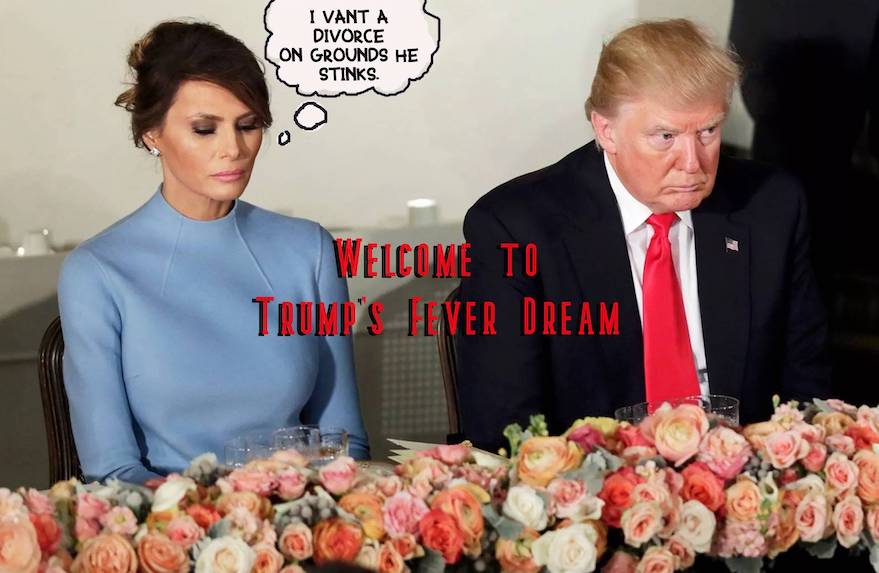
PS. My wildest science fiction work where I tap into an alternate Trumpiverse and Elizabeth narrates is a gas. The TrumpsFeverDream.com tall tale was born from my meditations on Trump that began here in 2015;

Why DEI Creates a More Competent Workforce Than Entitled Whites

Shameless plug: Move Over Marvel: Dark Brandon Has Entered the Multiverse! After reading this post please visit TrumpsFeverDream.com where we are posting my coming audio-book.

This week after a fatal crash of a military Blackhawk and a passenger jet newly #47 Donald Trump blamed, with zero evidence, D.E.I. hiring practices as the cause of the deaths over the Potomac. Statements he echoed in his outlandish claims that D.E.I. hires responsible for the many lives and homes lost in the LA fires.

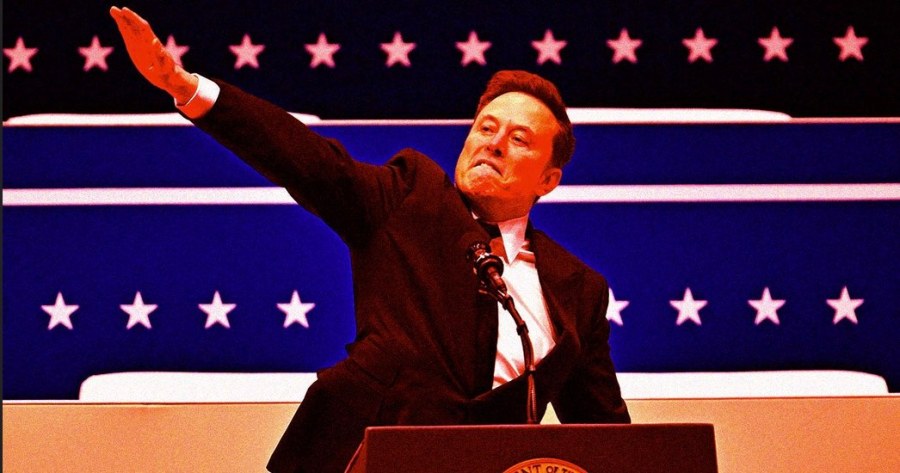
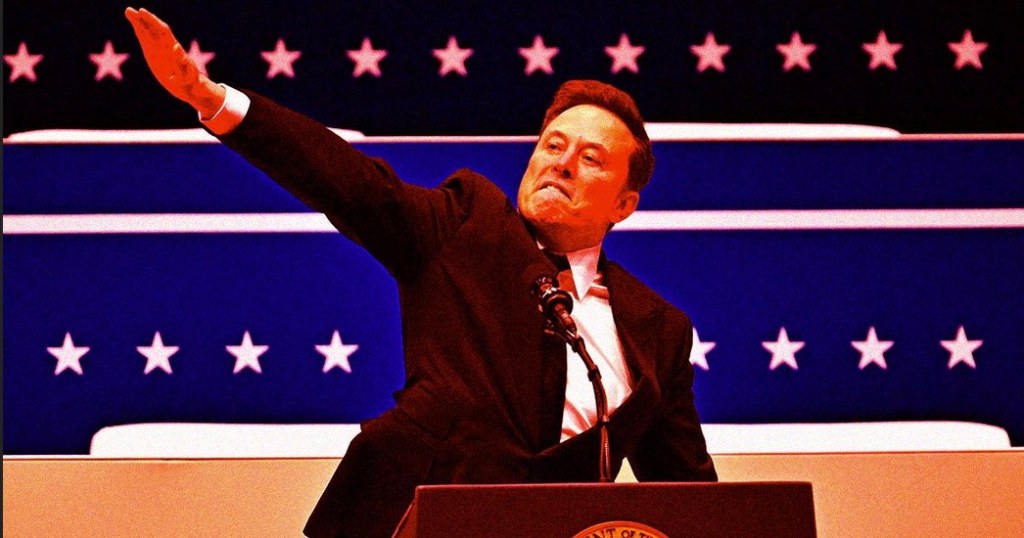
Trump racism is deep and troubling. Acting president Musk, famed now not for his wealth but his arrogance in making an unmistakable Nazi salute and his mouthpiece Trump are seeking to replace America highly competent D.E.I government workforce with white loyalists. And it’s already costing lives.

The concept of Diversity, Equity, and Inclusion (DEI) in hiring is often painted by its critics as a threat to workplace competence, suggesting that companies prioritize diversity over qualifications. This narrative is not only false—it’s dangerous. It stems from a defense mechanism within white privilege, which assumes entitlement to positions of power as a birthright. But let’s bust this myth and explore why DEI, far from promoting incompetence, actually makes organizations more effective and resilient.

1. The Myth of “Merit” and White Privilege

White privilege often hides behind the myth of meritocracy—the belief that success is based purely on individual talent, effort, and achievement. The problem with this myth is that it ignores the fact that many opportunities have been historically reserved for white men, often passed down through familial and social networks. When someone is handed a position without truly earning it, it breeds complacency, laziness, and the assumption that they don’t have to work as hard as others.

Take RFK Jr.’s recent blunder as an example. His privileged upbringing and the connections that elevated him to positions of influence meant he didn’t feel the need to vet or thoroughly analyze his recommendations. This lack of diligence cost him credibility. White privilege, when unexamined, can lead to a toxic complacency where individuals assume success is their right, not something they have to work to maintain.

2. DEI Demands More From Candidates

DEI hiring practices don’t lower the bar—they raise it. Why? Because under DEI frameworks, hiring managers must look beyond surface-level qualifications and privilege-based recommendations. They evaluate candidates holistically, focusing on proven skills, adaptability, and experiences that many entitled hires lack.

Historically marginalized candidates often have to work twice as hard to reach the same level of success as their privileged counterparts. This “double effort” means that many DEI hires bring a unique level of determination, innovation, and resilience to the table. In contrast, someone who has coasted on privilege may lack these qualities because they’ve never been tested or challenged.

Consider this: An immigrant who worked their way through college while holding down two jobs brings real-world problem-solving skills to any workplace. A Black woman who’s navigated systemic racism to rise through corporate ranks likely possesses leadership and negotiation skills that can’t be taught in an MBA program. These aren’t tokens of diversity—they’re marks of excellence.

3. Diverse Teams = Better Decision-Making and Innovation

Research consistently shows that diverse teams outperform homogeneous ones in innovation, creativity, and overall performance. A 2018 Boston Consulting Group study found that companies with diverse leadership teams generate 19% higher revenue from innovation compared to those without diversity. Why? Because different perspectives lead to better solutions.

When a team consists only of people with similar backgrounds and experiences, they’re prone to groupthink—a phenomenon where everyone agrees too quickly and critical analysis is overlooked. RFK Jr.’s mistake in promoting poorly vetted ideas could be attributed to surrounding himself with like-minded individuals who didn’t challenge him. In contrast, diverse teams encourage debate, creative tension, and the consideration of multiple viewpoints, which leads to better outcomes.

4. DEI Prevents the Entitlement Trap

Entitled white hires often get trapped in the false belief that they don’t need to grow or improve. After all, if they’ve been handed success so far, why would they suddenly need to work harder? But DEI hires are often battle-tested. They’ve overcome obstacles, adapted to changing environments, and developed emotional intelligence—skills that are critical in today’s rapidly evolving work landscape.

The entitlement trap is particularly dangerous in leadership roles. Leaders who haven’t had to earn their positions through competence and hard work often make decisions based on arrogance or outdated assumptions. This is how companies fail. But leaders from DEI backgrounds tend to be more empathetic, better listeners, and more adept at navigating complex situations.

5. The “DEI Means Lower Standards” Lie Is a Smokescreen

Let’s be honest: The idea that DEI hires are less competent is a lie perpetuated by those who fear losing their unearned advantage. It’s a defense mechanism—a way for those who’ve coasted on privilege to justify their own mediocrity. When companies prioritize DEI, they’re not lowering standards—they’re recognizing that the old “standards” were often exclusionary and designed to favor a narrow group of people.

This is why DEI is so threatening to the privileged. It exposes the fact that many “merit-based” hires weren’t based on merit at all—they were based on privilege, nepotism, and bias. DEI challenges this by forcing companies to take a hard look at what competence really means.

6. Competence Is About Adaptability, Not Entitlement

In today’s world, competence isn’t just about technical skills or a degree from a prestigious university. It’s about adaptability, emotional intelligence, cultural awareness, and the ability to work in diverse teams. DEI hires excel in these areas because they’ve had to navigate obstacles that entitled hires haven’t.

White privilege, on the other hand, can create a false sense of security. When you’re used to being handed things, you’re less likely to develop the grit and adaptability needed to succeed in a competitive environment. This is why companies that rely too heavily on privilege-based hiring often stagnate, while those that embrace DEI thrive.

Conclusion: DEI Is Not About Charity—It’s About Excellence

DEI hiring isn’t about giving people a handout; it’s about recognizing excellence in all its forms. It’s about acknowledging that competence isn’t confined to one race, gender, or socioeconomic background. The idea that DEI hires are incompetent is a lie rooted in fear—fear that the world is changing and that privilege is no longer enough.

And you know what? That fear is justified. The world is changing, and those who rely on entitlement instead of effort will be left behind. DEI isn’t just the right thing to do—it’s the smart thing to do. The future belongs to those who earn it, not those who are handed it.

One last thing. Writing this story helped me realize Trump propensity to lie arise directly from his need to cover for the fact he is white privileged nepo baby. And his ego can’t handle the truth he is an aged incompetent racist misogynist.

Shameless plug: Move Over Marvel: Dark Brandon Has Entered the Multiverse! Visit TrumpsFeverDream.com where we are posting my coming audio book.

One Week After the End of America

The farcical title of this blog might sound alarmist, but let’s be real—Trump’s latest political stunt is an apocalypse of his own making, not ours. “The End of America” isn’t happening because Trump is back in the spotlight with his fantasy of a gilded, authoritarian empire. It’s happening in the minds of those who fell for his hollow promises and unrelenting lies. And let’s not kid ourselves: this isn’t about a man returning to power. It’s about fear, division, and a desperate attempt to rewrite the rules of democracy.

But here’s the catch: it’s only half the country.

The other half of America? Still standing. Still fighting. Still anchored in truth, empathy, and hope. And let me tell you, hope is a stubborn thing. It doesn’t crumble as easily as a Twitter lie or dissolve under the weight of fake promises. Hope is the quiet force that builds, even when chaos is at its loudest.

What Trump 2.0 Actually Represents

If Trump’s second act has taught us anything in this first week of his so-called “return,” it’s that he’s not leading a movement. He’s clinging to an illusion. His lies about election fraud, immigrants, and “woke mobs” are the desperate moves of a man terrified of irrelevance. Sure, the MAGA crowd is cheering, but deep down, they’re being cheated, too. He’s playing their fears like a fiddle, and the orchestra? Russian bots and media outlets hungry for clicks.

But here’s what Trump 2.0 doesn’t want you to see: his power is a fragile, rickety house of cards. And our collective action, our resilience, is the gust of wind that can bring it all down.

Hope Lives in the Resistance

One week in, and already the cracks are showing. Protests are swelling. Journalists are digging deeper. Leaders from across the aisle—yes, even Republicans with spines!—are starting to speak up. The courts, despite their flaws, are standing firm against some of his wildest schemes. And the people? Oh, we’re wide awake now. We’re not falling for the “Make America Great Again” con job a second time.

In fact, hope shines brightest in the little acts of defiance that happen every day:

  • Teachers refusing to whitewash history.
  • Journalists exposing his corruption with receipts.
  • Voters organizing in record numbers, gearing up for every election like it’s the Super Bowl of democracy.
  • Families coming together to have uncomfortable but necessary conversations at dinner tables.

Hope Is a Choice

It’s easy to feel defeated right now. I won’t sugarcoat it—Trump 2.0 is exhausting. He’s like a bad sequel no one asked for, dragging us back into the drama when all we want is to move on. But here’s the thing about hope: it’s not passive. It’s active. It’s a choice we make every day, to believe in the possibility of something better.

Hope doesn’t mean sticking our heads in the sand or ignoring the challenges ahead. It means recognizing our power to change the narrative. It means fighting for truth, lifting each other up, and building bridges where Trump is burning them.

What Comes Next

One week in, and we’ve already seen that Trump’s America is not inevitable. The other half of the country is alive, kicking, and determined to rebuild. Our democracy is wounded, sure, but it’s far from dead. We’ve weathered storms before—some far darker than this—and we’ve come out stronger. And there are some things to be optimistic about as to how they will erode his slim base.

  1. Egg prices are going up under his dumb as dirt tariffs.
  2. Latinos for Trump are seeing he’s an ingrate.
  3. He’s already golfed 27 of his time in office.

So let’s not call Trump’s win by the GOP throwing out 7 million votes “The End of America.” Let’s call it what it really is: the beginning of a new fight. A fight for truth. A fight for justice. A fight for the soul of this nation, where we finally decide, once and for all, that no man, no lie, and no empire of deceit is greater than the collective power of people who refuse to give up.

Hope isn’t just alive—it’s thriving. And as long as we keep choosing it, no amount of Trumpism can ever truly win.

America isn’t ending. It’s just beginning to wake up and the brave acting Republicans are in fact frightened little boys.

We’ve created two places to keep you in the good fight.

TrumpsFeverDream.com – a political sci-fi satire where the Biden of another universe locks up Trump.

PoliticalCoolDown.com – home to a dozen meditations to cool you down and give you cosmic perspective.

12 YEAR ANNIVERSARY OF MY TRIPPY ANTARCTICA TRIP

It’s 12 years since I was in Antarctica. I wrote this to celebrate.

Welcome, brave traveler, to the dreamscape of Antarctica—a world of endless white, shimmering ice, and secrets long buried beneath the frost. Close your eyes, take a deep breath in, and let the cold, crisp air of imagination fill your lungs. Exhale slowly, releasing the warmth of everyday worries, and feel yourself descend into the vast, glacial stillness. The ice beneath your feet is ancient, older than nations, older than history. With each step forward, you’re walking deeper into the unknown.

You’re not alone. Nope, not just you and the penguins anymore. Something—no, someone—is watching. No need to be afraid. It’s a presence both curious and kind. Like that feeling you get when you’re sure a cat’s staring at you from across the room. You’re being seen but not judged.

Look ahead. Do you see that faint glow through the foggy air? It’s not sunlight. It’s a soft, cerulean blue, pulsing like a distant heartbeat. Draw closer, step by step, each crunch of the ice beneath you like a drumbeat marking a grand reveal.

As you approach, the fog clears, and there it is—a magnificent entrance carved into the side of a glittering ice wall. The shape is unmistakably deliberate. Smooth edges. Symmetry. No way nature did this on her own. Your heart thumps, half-excited, half-disbelieving. Could it be? An actual ET base?! You’re not the type to jump to conclusions, but c’mon, this is pretty hard to deny.

Stepping inside, the air shifts. Warmer. Softer. Like walking into a cathedral where the silence is its own kind of music. The blue glow intensifies, illuminating sleek, smooth walls that almost seem to hum as you walk by. You’re suddenly aware of just how tall the ceilings are. Your eyes drift upward, and that’s when you see them.

Whoa.

Eight feet tall. Blue skin that shimmers like the northern lights. They’re elegant, with elongated features that seem wise, ancient, and—dare I say it—kind of fashionable. One of them tilts their head in curiosity. You’re struck by the sheer coolness of it all. Somewhere in the back of your mind, you’re thinking, “I’m gonna have a heck of a story to tell when I wake up.” One of them raises a hand, long fingers stretching out toward you. It’s not a ‘take me to your leader’ vibe. It’s more like, “Welcome home, friend. We’ve been waiting.”

You step forward, slowly raising your own hand. As your fingertips meet, it’s like touching a current of pure peace. Warmth. Familiarity. It’s as if they know you, like this meeting was always supposed to happen. They don’t speak with words, but you understand them.

“We’ve seen you before, traveler of dreams,” they’re saying, though not with mouths. It’s all feeling. “Long ago in a place you called Italy. You saw us then as you see us now. And now you’ve come to us once more.”

Your jaw drops. They know about Italy?! You’re tempted to blurt out, “Yeah, yeah, I’m that guy! You’re talking about me, right?” But before you can say anything, they’re already laughing—not with sound, but with waves of joy rippling through you.

“We’ve been with you on your journey,” they say. “From the ice, from the stars, from every place where imagination dares to dream.” Their words—well, thoughts—flood your mind with memories of your Antarctic adventure. You’re reminded of that still, quiet moment on the ice, surrounded by nothing but penguins and endless white. You’d felt it then, didn’t you? That extra something watching from beyond the veil.

Yeah, you’re nodding now. You knew it all along. More than penguins. Always more than penguins.

They’re inviting you now. Deeper into the base. As you follow, you notice small, glowing orbs hovering around you like curious fireflies. Each one flickers with a faint blue glow, zipping back and forth, playing with your hair like mischievous little sprites. It’s oddly charming. You’re half-expecting one of them to shout, “Tag! You’re it!”

They lead you into a grand chamber filled with technology so advanced it looks more like art than machinery. Smooth, fluid designs with no hard edges. Everything looks like it’s grown, not built. One of the taller beings gestures toward a central pedestal. A soft, pulsing glow rises from it. You’re drawn toward it like it’s calling your name.

You’re invited to place your hands on it. And why not? You’ve come this far. Your palms meet the surface, and suddenly—

Flash!

Memories flood you. Every moment of doubt. Every time you questioned your path. All those moments dissolve in a wave of laughter—not from them, but from you. It’s like you’re looking at your own story from a higher vantage point, and suddenly it’s clear. All of it. The detours. The “coincidences.” The paths you thought were dead ends. Turns out, it was all leading you here.

One of the blue beings smiles knowingly. “12 years, traveler. You’ve done well. Celebrate it. It’s no small thing to walk this path.”

You’re laughing now, tears of joy running down your face. “Twelve years, huh? Yeah, I guess I’ve earned this.” You’re suddenly flooded with gratitude—not just for them but for you. For every choice you made, even the ones that felt like mistakes. You’re finally seeing it for what it was: growth.

They’re clapping now, or at least their version of clapping. The orbs twirl around you, faster and faster, and suddenly it’s a full-blown celebration. Music (or something like it) reverberates through the room. The blue beings smile with pride. “Dance, traveler. You’ve earned it.”

And so you do. You dance like nobody’s watching. Except they’re totally watching, and they’re cheering you on. It’s a victory lap through 12 wild, weird, wonderful years. You’re moving with joy and freedom like a penguin on ice with zero cares in the world.

The glow intensifies, filling your vision with light. You’re back now, still feeling that rhythm in your chest. The ground beneath you is firm once again, but you’re changed. The air feels crisper. The world feels wider. As you open your eyes, you’re smiling like someone who’s just been let in on the universe’s best-kept secret.

Twelve years. And just like that, you’re ready for the next adventure.

Welcome back, brave traveler. You’ve seen more than penguins today. And you’ll never see yourself the same way again.

Finding Peace Through Pet-Inspired Meditation: A Personal Journey and a Global Vision


By Ken Sheetz

As a meditation filmmaker, I’ve always been fascinated by the myriad paths we take toward inner peace. Sometimes, our greatest teachers come not from grand philosophies but from the quiet, steady presence of animals. My own dog, Lincoln—a Chihuahua small in stature but immense in love—epitomizes this wisdom. Eight years old now, Lincoln is alive, well, and an essential part of our family dynamic. My love and filmmaking partner Elizabeth rescued him, and the early days weren’t always easy. Having suffered in his past, Lincoln was initially fearful of men. Yet with time, patience, and Elizabeth’s seasoned experience in raising dogs, he slowly learned to trust.

Today, our relationship is a testament to healing and understanding. Each morning, after our daily meditations, the three of us cuddle in bed. Lincoln, Elizabeth, and I form a cozy trio—an intimate, loving family that starts the day grounded in gratitude, affection, and the quiet faith that peace begins at home. Observing Lincoln’s transformation has shown me that even old wounds can mend with gentle care, consistency, and love. He reminds me that animals have a natural capacity for presence, a gift we can all learn from and incorporate into our lives.

This insight has been validated not only in our own home but also in one of the most remote corners of the Earth. In 2012, I journeyed to Antarctica to perform 24 meditations with the hope of manifesting a better tomorrow. During one of these sessions, a pair of penguins approached and stood quietly beside me. Their calming presence amidst that vast, frozen expanse mirrored the same peaceful essence Lincoln brings to our little family. Just as the penguin couple recognized and responded to the meditative vibe, Lincoln once recognized kindness and responded in turn, slowly blooming into the loving companion he is today.

The lessons are simple yet profound:

  • Living in the Present: Whether it’s a Chihuahua basking in morning cuddles or a penguin couple pausing their journey across the ice to join a meditation, animals embody present-moment awareness. They invite us to drop yesterday’s burdens and tomorrow’s worries.
  • Trust and Healing: Lincoln’s early fear of men gradually melted away when met with patience and understanding. This parallels the trust we build with ourselves in meditation—showing up day after day, letting go of fear, and becoming whole.
  • Unconditional Love: Animals love without complex conditions. They remind us that compassion need not be earned; it can be freely given. This warmth fosters a safe inner space, making our meditation practices more effective and fulfilling.

From scientific research, we know that meditation helps reduce stress, improve mood, and support emotional resilience. Interacting with animals—feeling the comfort of their presence or even visualizing them—further enhances these benefits. Animals can help regulate our nervous systems, lower blood pressure, and encourage a kind of emotional grounding that words alone often fail to provide.

The combination of these elements—practice, patience, animal wisdom—can guide us toward a more peaceful existence. Whether you picture a pair of penguins beside you in a faraway land or a tiny Chihuahua curled up close at home, you can invoke their calming energy in your meditation practice. Allow their simplicity, trust, and love to anchor you, inviting a sense of warmth and security into the moment.

In embracing these influences, we find that living fully in the present is both possible and profoundly healing. May the insights drawn from Lincoln’s gentle heart and my Antarctic penguin friends help you settle more comfortably into your own meditative path. Breathe with them, lean into their easy acceptance, and let their presence inspire you to let go of worry, embrace love’s quiet power, and move forward—one peaceful breath at a time.

If you enjoyed our new video visit growing Political Cool Down series for more.

Trump Taps Into Toxic Masculinity to Win Second Term

By Ken Sheetz

Trump Taps into toxic masculinity

Since the utter defeat of Kamala thanks to a surprising vote by young men in the face of the harm they knew it will do to the women of this country I’ve been meditating on Trump again. Not the man but what he represents. Trump, and people behind him, have demonstrated once again and uncanny ability to exploit anger to generate votes. In this case an ancient anger between the sexes and man’s longstanding dominion over women. Trump’s campaign promise “I’m going to be dictator day one” has been labeled as fascism by concerned Democrats and media. But is that an accurate assessment and what exactly is fascism?

The term “fascism” was first coined by Benito Mussolini during World War I. It symbolized his ideology of unity and strength through brute force—a concept that reached its zenith with the 1922 March on Rome, where Mussolini’s Blackshirts coerced King Victor Emmanuel III into appointing him as Prime Minister. In that moment, the world regressed to a primitive philosophy best described as Might-Makes-Right-Males—the macho archetype that relies on physical dominance and aggression, often devoid of intellectual depth or moral integrity.

This ethos celebrates strength for strength’s sake, often manifesting in abusive behaviors, particularly toward women. Historically, Might-Makes-Right-Males have used their power not just to dominate nations but also to enforce submission in personal and societal relationships. The macho mentality thrives on control, fostering a world where abuse and suppression of women are seen as acceptable methods of asserting dominance.

Take Mussolini, for example. His regime not only glorified militaristic masculinity but also institutionalized the macho subjugation of women, reducing them to tools of the state for procreation and household labor. This systematic abuse of women was a natural extension of Might-Makes-Right-Males’ dangerous worldview: if physical strength and cruelty justify rule, they also justify any form of oppression, including violence against women.

While this Trump doesn’t perfectly fit the Mussolini mold —when corned by Jake Tapper Kamala Harris broke precedent and called him a fascist on CNN in the debate that wasn’t. Even though he lacks the physicality or ideological discipline—Trump embodies the toxic macho archetype in his personal conduct and policies. His history of demeaning women, both publicly and privately, reveals the deeply rooted dangers of Might-Makes-Right-Males. We could say Trump is the modern echo of this toxic masculine Mussolini mentality with his choice fellow sexual abusers for his shock and awe cabinet choices.

Consider his infamous 2016 “Grab ’em by the pussy” the media helped him minimize to”locker room talk” and pattern of mocking or belittling women who stand up to him. His recent threats,drunk on the power of his win, like telling Canada’s Prime Minister he could make Canada the 51st state, expose a hollow version of macho posturing—a flimsy attempt to project power. Trump is not a leader of strength; he’s a man whose bluster conceals deep insecurity, shaped by his abusive domineering father Fred Trump who taught him by painful example that cruelty is strength. Trump completed his macho man training in breaking the will of his minions under the pernicious Roy Cohen.

The macho mindset, when left unchecked, doesn’t just harm women—it destabilizes society. By enforcing submission through fear and abuse, Might-Makes-Right-Males create a culture of silence and suffering, stripping away the empathy and collaboration needed for communities to thrive. This is why the anger Trump tapped into and infected the minds of so many young men, even Latinos essentially voting for deported of their kin, is so dangerous. Trump’s dominance exhibited in the nefarious Project 2025 relies on the suppression of “the other”, especially women, whose potential is vital to a balanced and just world.

But history offers hope. Societies led by Might-Makes-Right-Males have often crumbled under their own brutality. From the collapse of fascist regimes to the growing rejection of toxic macho ideals, humanity has shown its capacity to evolve beyond these harmful archetypes.

Today, women and forward-thinking men are leading the charge against this outdated worldview. They are proving that true strength lies not in domination, but in understanding; not in silencing others, but in empowering them. The qualities of a true gentleman—empathy, respect, and wisdom—are the antidote to the macho, Might-Makes-Right mentality that has caused so much harm.

It’s time to abandon the macho fantasies of the past. The world doesn’t need more Mussolinis or Trumps—it needs leaders who recognize that power is not about abuse, but about service. A society built on mutual respect and equality is one where everyone, not just the strong, can thrive.

WHAT CAN WE DO TO REDUCE TOXIC MASCULINITY

Toxic masculinity and Might-Makes-Right-Males aren’t just philosophical challenges—they’re deeply rooted behaviors that manifest in homes, schools, workplaces, and governments. To tackle them effectively, we need solutions that channel energy constructively, address root causes, and create cultural shifts. Here’s a game plan I created with some help from ChatGPT:

1. Harness Testosterone Through Sportsmanship

Look all the way back to the Greeks and the ancient Olympics where men competed in sport versus battle. Testosterone isn’t the problem; it’s how we channel it. Sports can be a powerful tool to teach teamwork, discipline, and mutual respect. Instead of glorifying “winning at all costs,” we must prioritize good sportsmanship.

Coaches as Role Models: Train coaches to emphasize respect and collaboration over raw aggression. Teach players to value fair play and uplift teammates and opponents alike.

Recognize Gentle Strength: Create awards for players who demonstrate empathy on the field—helping an injured opponent, staying calm under pressure, or mediating conflicts.

Mixed-Gender Sports: Encourage boys to play on mixed-gender teams early on, fostering respect for women as equal competitors and collaborators.

2. Turn “Macho” into Mentorship

Macho doesn’t have to mean toxic. Channel that energy into mentorship programs where older men guide younger generations toward constructive goals.

Big Brother Programs: Pair boys with male role models who demonstrate positive masculinity—men who build, nurture, and lead without dominating.

– **Fatherhood Academies**: Offer community classes on parenting to help dads teach their sons that strength includes vulnerability and kindness.

3. Teach Emotional Agility in Schools

Boys are often taught to suppress emotions other than anger, creating a powder keg of frustration. Let’s rewire that.

Gym Class with a Twist: Combine physical activities with lessons on emotional intelligence. For instance, after a game, have students reflect on how competition made them feel—pride, frustration, joy—and discuss healthy ways to process those emotions.

Conflict Resolution Training: Teach boys practical techniques for de-escalating conflicts, such as active listening and finding common ground.

4. Challenge the Alpha Myth in Pop Culture

Media often glorifies the alpha male as the loudest, toughest, most domineering figure in the room. Let’s flip the script.

Highlight Quiet Heroes: Celebrate movies, TV shows, and books featuring men who lead with wisdom, empathy, and innovation. Think Atticus Finch, not Rambo.

Gamify the Good Guy: Create video games where collaboration and compassion—not brute force—lead to victory. Imagine a game where saving the world requires teamwork and diplomacy.

5. Celebrate Strength in Service

True power is lifting others up, not pushing them down. Let’s make that our cultural narrative.

Volunteer Challenges: Organize community events where men compete to make the biggest positive impact—building homes, mentoring youth, cleaning neighborhoods.

National Gentleman Awards: Establish annual awards honoring men who’ve demonstrated exceptional kindness, generosity, or bravery in service to their communities.

6. Rethink the Role of Testosterone in Business

Workplaces can be breeding grounds for Might-Makes-Right attitudes. Shift the culture to reward emotional intelligence and collaboration.

Testosterone-Positive Training: Instead of suppressing competitive energy, channel it into creative problem-solving exercises where teamwork, not individual dominance, leads to success.

Leadership Redefined: Showcase stories of successful leaders who succeeded by fostering inclusive, innovative environments.

7. Empower Women as Equals

Might-Makes-Right-Males thrive when women are marginalized. By leveling the playing field, we challenge their dominance.

Teach Boys to Respect Women: Early education should include lessons on consent, equality, and the value of women’s perspectives.

Normalize Female Leaders: Promote women in leadership roles across industries, showing young men that strength comes in many forms.

8. Reclaim Rituals of Manhood

Many cultures have rites of passage that help boys transition into responsible men. Modern societies often lack these guiding ceremonies.

Modern Rites of Passage: Create programs where boys take on challenges that emphasize character, not domination. For example, helping an elderly neighbor, mentoring a younger student, or organizing a team project.

Bonding Camps: Offer father-son or mentor-mentee camps focusing on shared activities like hiking, problem-solving, and storytelling to build a sense of mutual respect and responsibility.

9. **Encourage Creative Outlets

Aggression is often misdirected energy. Let’s help boys and men channel it productively.

Art as Strength: Programs in music, dance, and visual arts can teach boys how to express emotions in healthy, constructive ways.

Competitive Creativity: Host events where participants compete in innovation challenges, showcasing strength through brainpower and imagination.

10. Stop Rewarding Troublemakers – Kyle Rittenhouse was murderer not a hero

Finally, we need to stop elevating Might-Makes-Right-Males in positions of power. Troublemakers who thrive on chaos—whether in politics, business, or media—must face accountability.

Media Responsibility: Boycott shows, hosts, and outlets that glorify aggression and cruelty.

Vote for Compassionate Leaders: Elect leaders who value service over swagger, empathy over ego.

By blending sportsmanship, mentorship, emotional agility, and creative outlets, we can rewrite the narrative for men and boys. The macho, Might-Makes-Right mentality doesn’t have to define the future. Instead, we can create a culture where strength is measured not by dominance, but by how much good one can do for others.

I could never have written this story without my wife and partner Elizabeth England lifting up the rug on the racist misogynist culture that dominates American culture. She and I will be doing a podcast based on this post soon.

And please visit our non-partisan page PolticalCoolDown where we are offering 10 free meditations to help put 2024 behind us seek to reunite for the greater good.

The Beatles

“BEATLES ’64” A TOOL FOR COOLING DOWN TODAY’S TOXIC MASCULINITY

By Ken Sheetz

Few cultural moments resonate as powerfully as the Beatles’ arrival in an America — one that was still grieving the tragic end of JFK’s Camelot — and the new documentary BEATLES ’64 masterfully captures their seismic impact and the release of a new love based era. Directed by Paul Crowder and produced by Martin Scorsese, the film takes viewers back to 1964, when John, Paul, George, and Ringo made their U.S. debut, transforming not just music but toxic masculinity.

As someone who was 12 when Beatlemania erupted, screaming teens and all,, watching this film was like stepping into a time machine. I vividly remember my mom’s reaction to the Beatles—especially Ringo Starr, whose mop-top hair and quirky persona unsettled her enough to make me promise never to grow my hair long. (Spoiler: I didn’t keep that promise.) What the film captures so well is how the Beatles’ charm, humor, and authenticity ultimately won over even their skeptics, including my mom.

One of the most fascinating themes the film explores is how the Beatles challenged traditional notions of masculinity. In a time when stoic machismo dominated cultural ideals, they brought something radically different. The documentary draws compelling contrasts between the Beatles and the “macho man” archetypes of the day, like Frank Sinatra and other leading figures. The Beatles weren’t afraid to show affection for one another, express vulnerability in their music, or embrace flamboyant fashion. They paved the way for a softer, more creative vision of masculinity, and it resonated deeply with a generation ready for change.

The rare behind-the-scenes footage is a standout feature, offering a glimpse of the Beatles as both global icons and four young men navigating an unprecedented whirlwind of fame. The film also shines in its recreation of the Ed Sullivan Show performance, viewed by over 73 million people—a cultural tipping point that cemented their place in history.

BEATLES ’64 doesn’t just celebrate the music—it illuminates the broader cultural transformation sparked by the Fab Four. Their rise to global superstardom wasn’t just about catchy tunes; it was about challenging norms, opening minds, and redefining what it means to be a man.

As I watched the show after post-Thanksgiving with my love Elizabeth, 8 years younger and so she had memory of the Beatles blast-off firsthand, we both couldn’t help but think about how much we could learn from the Beatles’ example today. They showed us how to reject toxic masculinity in favor of kindness, humor, creativity, and emotional vulnerability.

5 stars for BEATLES ’64 and the telling of 4 lovable lads from Liverpool and the healing their conscious raising music that brought America out of mourning.

⭐️⭐️⭐️⭐️⭐️

Celebrating the Biggest Migration in Human History

My wife and partner in all things, Elizabeth England,couldn’t be happier that I’m off X because it has become so overwhelmingly negative that it made me into a grouch way too often. Honestly, making the leap to Bluesky might have saved my marriage. Now, I’m thrilled to be part of the largest migration in human history, building something better with millions of others on Bluesky.

2024 will go down in history as the year humanity collectively said, “Enough is enough!” Millions of people packed up our digital lives and joined the greatest migration in human history—not across continents, but across platforms. The mass exodus from X (let’s face it, the X is for toxic) to the vibrant, inclusive world of Bluesky is a testament to the power of community and the human desire for a better way to connect.

For years, X (formerly Twitter) was a digital town square—a place for witty banter, breaking news, and the occasional heated debate. But then came the X era, and with it, a suffocating cloud of chaos. Misinformation spread like wildfire, hate speech flourished under the guise of “free speech. For many, the tipping point was the unchecked disinformation that began to feel less like negligence and more like a deliberate strategy.

Enter Bluesky. With its clean design, decentralized ethos, and commitment to fostering a healthier online environment, it became the beacon of hope for the digitally disenfranchised. Unlike X, where algorithms reward outrage and bots amplify division, Bluesky prioritizes authenticity, collaboration, and user control. It’s a breath of fresh air for anyone tired of the toxic fumes X has been spewing into the digital atmosphere.

The migration to Bluesky isn’t just about rejecting X; it’s about embracing a new vision for social media. Bluesky represents a return to what we loved about online communities in the first place: meaningful connections, thoughtful dialogue, and a space where creativity can thrive.

And the numbers? Staggering. In just a few months, Bluesky has grown from a whisper of hope to a booming metropolis of voices. Artists, writers, activists, and everyday people are carving out their new corners of the internet, rebuilding what Musk tried to destroy.

I’m celebrating this migration with this new video not just as a rejection of what went wrong but as a bold step toward what can be. Bluesky proves that people want more than just a platform; they want a community that reflects their values, supports their aspirations, and uplifts their voices.

I’m so thrilled to be on Bluesky that I made this video to celebrate the biggest migration in human history.

Walking away from tens of millions of impressions and thousands of fans on X was a hard thing to do. But we ex-Xers all seem to be finding each other on Bluesky and the happiness we all feel is uplifting as it gets. I’m also on Threads now but I am enjoying Bluesky more. Here’s to the biggest migration in human history—proof that when enough people believe in something better, they can build it together. Whether you’ve already made the leap or are still considering it, the message ishttp://@ https://bsky.app/profile/kensheetz.bsky.social clear: the sky’s the limit, and it’s looking very blue.

Follow me there! @ https://bsky.app/profile/kensheetz.bsky.social

“Barbarella” (1968) – A Sci-Fi Classic That Takes You Far, Far Away from Today’s Formulaic Marvel Flicks.

If you’re feeling exhausted by today’s insane hate soaked 2024 elections and looking for break that is sexy galaxy far, far away from the Disney assembly line of Marvel movies, with their predictable plot twists, sky beams, and post-credits scenes, then Barbarella is the cosmic escape you didn’t know you needed. This 1968 space romp, directed by Roger Vadim and starring the unforgettable Jane Fonda, isn’t just a movie—it’s a neon, glittering trip through a galaxy of pure kitsch, camp, and unfiltered imagination.

From the very first scene, where Barbarella peels out of a zero-gravity spacesuit in what can only be described as the slowest striptease in sci-fi history, you know you’re in for something spectacularly different. Forget saving the multiverse with a snap of the fingers—Barbarella is here to save the galaxy with pure sensuality and some questionable combat skills, all while lounging in the kind of futuristic fashion that makes today’s superheroes look downright bland.

The plot? Well, it’s as wild as you’d expect from the late ’60s. Barbarella is sent by the President of Earth to stop a mad scientist named Durand-Durand (no relation to the band…yet), who’s threatening universal peace with a weapon called the Positronic Ray. Along the way, she encounters angelic aliens, a labyrinth of sadistic toys, and a piano-like contraption designed to kill her with pleasure (yes, you read that right). It’s not so much a coherent narrative as it is a sequence of increasingly bizarre scenarios that make you go, “Wait, WHAT?”

What sets Barbarella apart from today’s superhero fare is how joyfully untethered it is from logic or self-seriousness. It doesn’t care about crafting a cinematic universe or tying up every loose end—it’s here to have fun, and you’re just along for the ride. Jane Fonda’s Barbarella is a refreshing heroine; she’s not burdened by dark backstories or moral dilemmas. She’s unabashedly curious, confident, and sexy, battling her foes with equal parts charm and clumsy enthusiasm.

And the visuals! Forget the hyper-CGI of Marvel’s latest epics—Barbarella offers a retro-futuristic aesthetic that’s delightfully handmade. The sets look like they were cobbled together in someone’s groovy living room, and the costumes are, well, the kind of thing you’d only expect to see on an intergalactic catwalk. Fonda’s wardrobe alone deserves its own cult following, from sparkly spacesuits to feathered headdresses that would make even Lady Gaga blush.

Sure, the dialogue is cheesy, and the special effects have aged like fine wine that’s turned to vinegar, but that’s all part of the charm. Barbarella revels in its campiness, a refreshing alternative to the overpolished, franchise-driven spectacles that dominate the box office today. It’s a movie that invites you to sit back, sip a martini (preferably with a cosmic twist), and let yourself get lost in a world where anything goes, and the rules of physics—and fashion—are delightfully flexible.

So if you’re tired of Marvel’s color-by-numbers storytelling and need a break from the endless parade of CGI brawls, take a trip with Barbarella. It’s an unapologetic blast from the past, reminding us that sometimes, the best way to escape reality is to embrace the absurd and the sexy, one sparkly space adventure at a time.

Visit our new PoliticalCoolDown.com page for much needed meditation breaks designed to help lower the temperature.

The Dark Shadow of Eclipse Fears: A Tragic Tale of Misunderstanding and Misfortune

In the vast expanse of our universe, there are moments that captivate our collective imagination and stir primal fears. Solar eclipses, with their celestial dance of light and shadow, have fascinated and frightened humans for millennia. Yet, in the modern era, where science illuminates the mysteries of the cosmos, one might assume that such fears would fade into superstition. However, a recent tragedy reminds us that the specter of eclipses, amplified by unchecked brainwashing spreading via social media by nefarious actors, can still cast a dark shadow, with devastating consequences.

In a heartbreaking incident reported this week, the lives of three individuals, Danielle Ayoka, a New Age astrologer with over 100,000 Twitter follower, and her partner, Jaelen Allen Chaney, and Ayoka’s eight month old baby were tragically cut short in what authorities are terming a murder-suicide. The incident occurred in LA, our new home base, during the early morning hours leading to a total solar eclipse across a large swatch of America.

Reports suggest that Ayoka, deeply influenced by esoteric beliefs and New Age spirituality, had developed an intense fear of eclipses from exposure to Russian fostered Q based conspiracy theories ranging from the launch of bio-warfare to potential violent attacks of eclipse watchers. Friends and acquaintances describe her as someone who was profoundly affected by the alignment of celestial bodies, often expressing concerns about the purported negative energies associated with eclipses. In the days leading up to the tragic event, it appears that Asoka’s fears reached a fever pitch, leading to a series of decisions that ultimately culminated in a devastating outcome.

The details surrounding the incident are still emerging, but it appears that Ayoka’s fear of the eclipse played a significant role in the tragic events. According to those close to her, Ayoka had become increasingly agitated by conspiracy theories surrounding the eclipse that heralded impending doom. In her state of distress, rationality seemingly gave way to irrationality, and tragic murder-suicide and death of her 8 month old ensued.

It is crucial, in the wake of this tragedy, to reflect on the importance of critical thinking and scientific literacy in tuning out the conspiracy theories ranging from RFK Jr.’s anti-vax to UFOs. In our quest for clarity and understanding, we must be vigilant against the spread of misinformation and fearmongering. In recent years, movements such as QAnon have propagated baseless conspiracy theories, preying on individuals’ anxieties and insecurities. Disgraced figures like Trump, General Michael Flynn and RFK Jr. have lent legitimacy to these dangerous Russian psyop narratives, further entrenching fear and mistrust in society.

Ayoka’s tragedy shows all too clearly that this is no longer just political. We must properly mourn hundreds of thousands of our America brothers and sisters are no longer with us due in large part to the spread of deadly vaccine disinformation.

The unfounded fears fostered by QAnon and its ilk only serve Russia’s and the extremist Christo Fascist objective to sow discord and division, undermining the fabric of our society. To stay safe and sane in an increasingly complex world, we must resist the allure of conspiracy theories and instead rely on reputable sources of information. By cultivating a culture of critical thinking and skepticism, we can inoculate ourselves against the corrosive influence of misinformation, ensuring a brighter and more enlightened future for all.